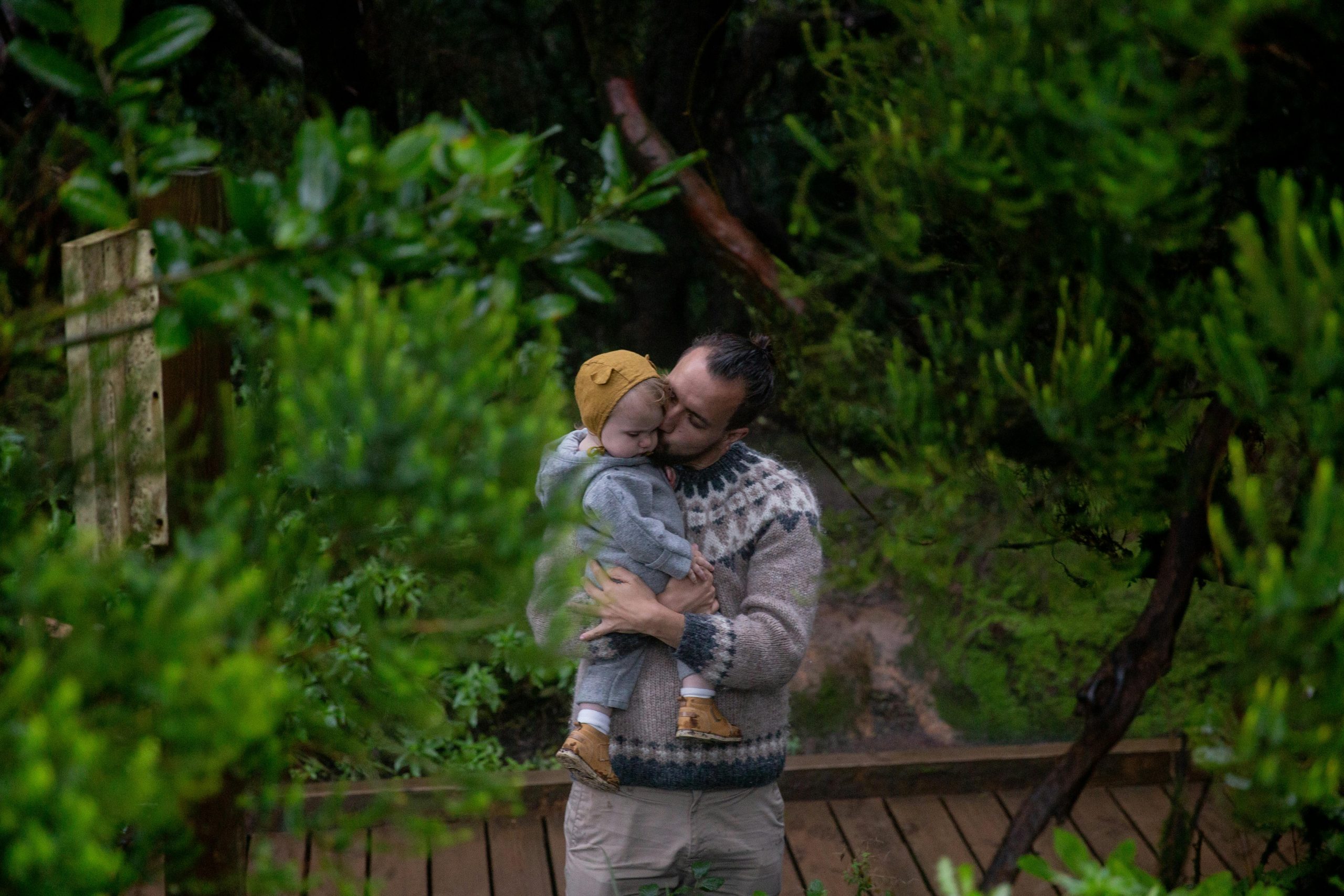

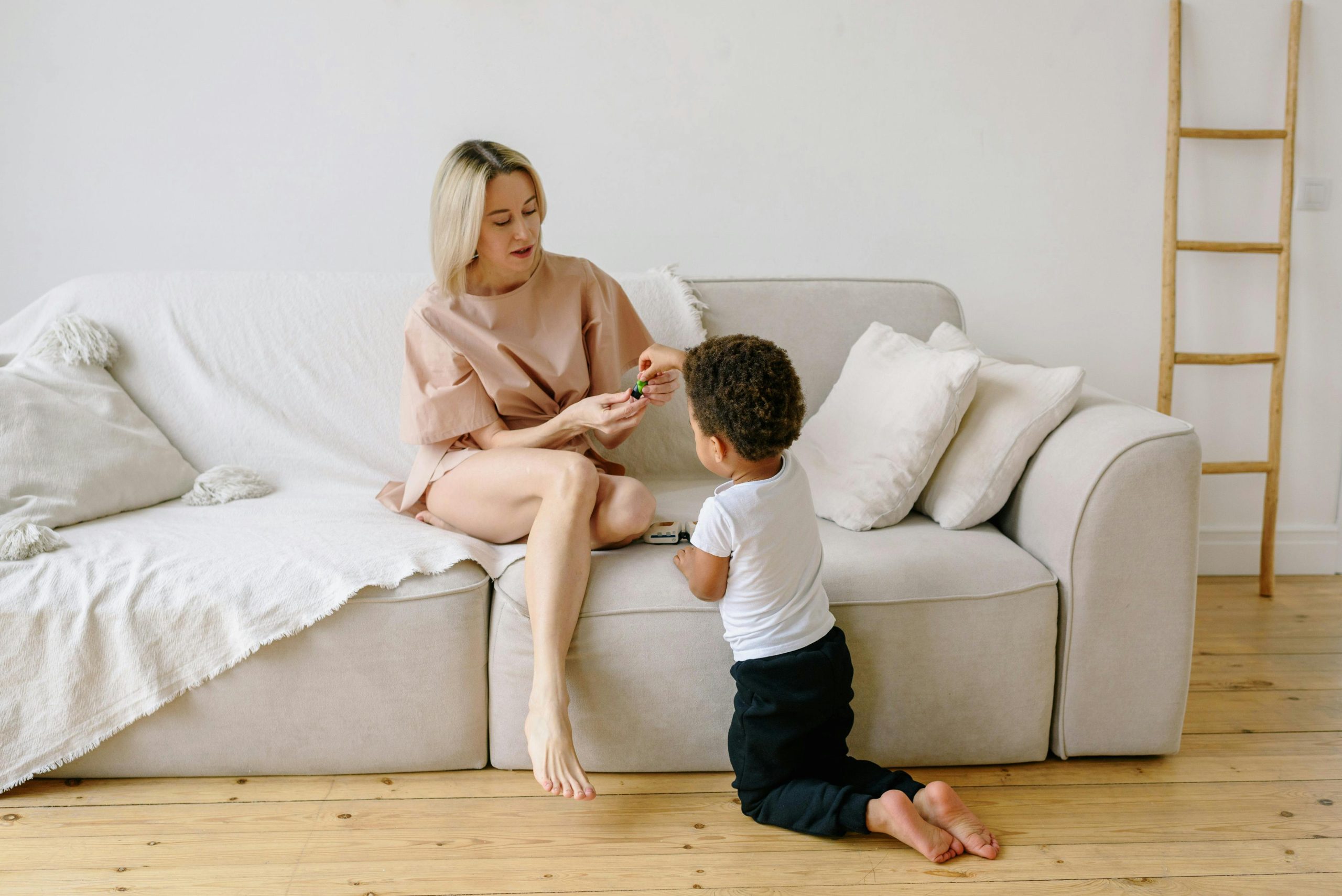
When parents in Ottawa, Hawkesbury, or Kingston meet with me about separation, the first thing I notice is not the tension between them — it’s the concern they both carry for their children. Even when parents disagree on nearly everything else, there is almost always a shared instinct to protect their children from emotional disruption. Separation is a major shift for any family, but the way adults navigate this change determines how children absorb it. This is why my approach to mediation is rooted entirely in child-centred values. I believe that when parents make decisions through the lens of their children’s emotional wellbeing, the separation becomes not just manageable, but meaningful.
Families across Ottawa’s busy neighbourhoods, Hawkesbury’s close community circles, and Kingston’s growing family districts often come to me unsure how to interpret what their children may be feeling. They wonder how much to say. They wonder how to maintain stability. They wonder whether the disagreements they’ve had with their partner have already impacted their child more than they realized. These fears are natural. What I offer families in those early sessions is a structured, calm environment where they can slow down enough to look at the situation from their children’s perspective — not the adult-centred perspective they’ve been stuck in during conflict.
A child-centred separation is not about giving children decision-making power. It is about anchoring every conversation in their needs-emotional or otherwise. And when parents shift toward this mindset, their communication with each other becomes less reactive, more empathetic, and far more productive — even if they still disagree on certain topics. In Ottawa, Hawkesbury, and Kingston, I have seen families transform the tone of their separation simply by reframing the purpose of the discussion: it’s not about winning a point; it’s about stabilizing a child’s world.
Understanding What Children Actually Experience During Separation
The emotional experience of separation is different for children than it is for adults. Parents see logistics — housing, schedules, finances, communication — but children feel separation in the rhythm of their day. They feel it in transitions, bedtime routines, school mornings, and the energy in the home. They feel it in the silence of an unanswered question or in the tension between two adults who stop speaking to each other except when necessary.
In Ottawa, where families often juggle structured routines and multiple activities, children feel the change most in the moments between those activities. In Hawkesbury, where families may live close to extended relatives, children feel the shift in how holidays and gatherings suddenly look different. In Kingston, where many families blend academic demands with sports and community involvement, children feel the separation in the small interruptions that ripple through their schedule.
My child-focused mediation approach helps parents understand this lived experience. I guide them away from questions like, “What do I prefer?” and toward questions like, “How will this decision feel to our child on a regular Tuesday morning?” That shift is enormous. It replaces adult-centred negotiation with genuine cooperation rooted in empathy. It keeps parents grounded in the emotional reality that their children will carry forward long after schedules or parenting plans become routine.
Creating a Mediation Environment Where Children’s Emotional Stability Comes First
In every mediation session — whether with families from Ottawa, Hawkesbury, or Kingston — I work hard to create a tone that models emotional steadiness. Children do not need their parents to be perfect. They need them to be emotionally safe. And emotional safety is difficult to provide when the adults are overwhelmed, defensive, or trying to “win” the separation.
This refinement makes room for thoughtful decision-making. Parents often tell me that mediation feels like the first time they’ve actually been able to talk without shutting down or escalating. That is not accidental. When the focus is placed squarely on the child’s needs, parents naturally elevate their communication. They access their best self — the version of themselves that protects rather than reacts, listens rather than interrupts, and collaborates rather than resists.
Rebuilding Parental Communication With a Child’s Needs as their Compass
Separation language often comes from a place of frustration:
“I need…”
“I want…”
“You always…”
“You never…”
Child-focused mediation changes the tone. It shifts the orientation so parents begin speaking from a perspective of:
“Our child needs…”
“How can we…”
“What will help them transition smoothly?”
It might seem simple, but that shift alters everything about the discussion. Rather than revisiting old conflicts, parents start building new communication patterns anchored in shared responsibility. This approach is particularly important in Hawkesbury and Kingston, where community involvement and close-knit networks make co-parenting highly visible. When parents speak with clarity and respect, children sense that emotional steadiness — and so does the community around them.
In Ottawa, where separation can feel rushed or pressured due to busy schedules, reframing communication around the child helps parents move out of conflict quicker. It prevents discussions from spiraling into personal history. It also helps parents maintain healthier boundaries moving forward. When families commit to this approach, they build communication habits they can rely on for years.
Designing Co-Parenting Plans That Match the Child’s Real Emotional and Practical Needs
A child-centred parenting plan is not about splitting time evenly or creating a rigid schedule. It is about designing routines that support emotional continuity. Each child has a different temperament, a different relationship with each parent, and a different response to change. My job is to help families identify what those needs actually are — not what they assume them to be.
In Ottawa, I often work with families whose children have full schedules, academic commitments, or specialized activities. Their parenting plans must support these commitments, not disrupt them. In Hawkesbury, where community relationships play a large role, some families need to balance a child’s connection to relatives or long-standing social circles. In Kingston, where many families blend school expectations with extracurricular demands, parenting plans require careful coordination.
The plan we create together must feel natural to the child. It must respect their routines, support their personality, and offer predictability during a time when their world is shifting. When parents build the plan from this perspective, children adapt far more smoothly — and parents experience less conflict down the road.
Supporting Parents in Taking the High Road, Even When Emotions Are Heavy
Taking the high road during separation doesn’t mean avoiding your own feelings. It means not letting those feelings dictate the tone of the decisions you make for your children. Separation brings disappointment, anger, heartbreak, and confusion — but children benefit most when adults respond to those emotions with maturity rather than impulsiveness.
In mediation, I help parents access this mindset, even when their relationship has been strained. I remind them that they don’t have to agree with each other to cooperate for the sake of their children. They don’t have to be friends to be stable co-parents. They simply need to stay aligned with their values — the values that reflect who they want to be when their children look back on this season of life.
I have seen parents in Ottawa soften in moments where they once would have escalated. I have seen parents in Hawkesbury pause before reacting in ways that would have created conflict in the past. I have seen parents in Kingston speak from clarity when they once would have spoken from frustration. These shifts define the high-road approach. They give children the version of their parents who protect their emotional world, not complicate it.
Why My Child-Focused Process Helps Families Build a Healthier Future After Separation
After supporting families across Ottawa, Hawkesbury, and Kingston through separation mediation for many years, I truly believe that a child-focused approach is what gives families the greatest chance at long-term stability. When parents centre their decisions around emotional safety, they reduce the intensity of future conflict. When they communicate respectfully, they create a foundation for smoother co-parenting. When they prioritize predictability and empathy, they help their children adapt without fear.
Children do not need a perfect separation.
They need a peaceful one.
And that peace comes from the adults choosing compassion, clarity, and responsibility — even when the situation is painful. A child-focused mediation process helps families do exactly that. It gives parents the tools, guidance, and emotional grounding they need to separate in a way that protects the people who will carry the impact the longest: their children.