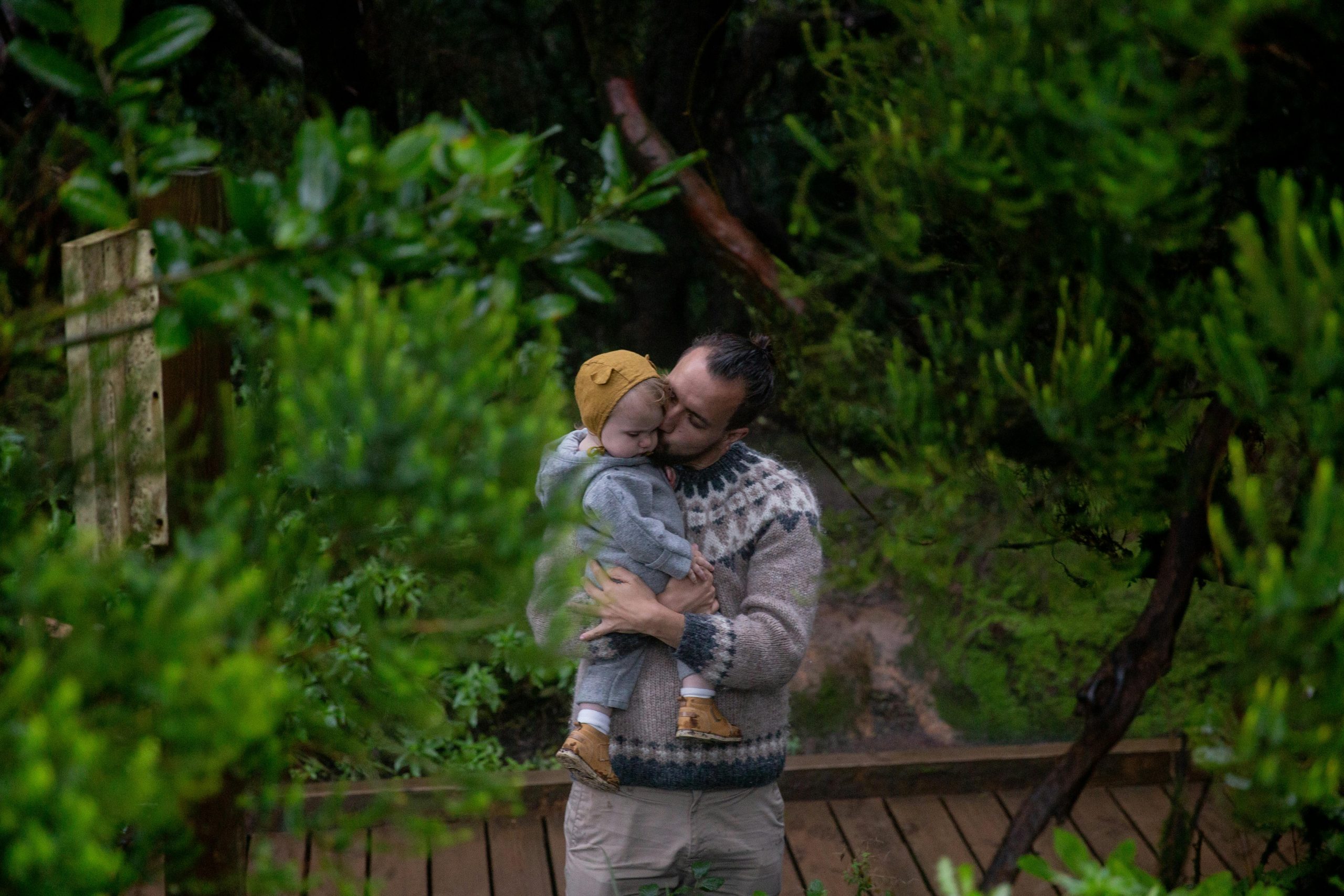


Separation affects families in ways that go far beyond the logistical details. It shifts the rhythm of everyday life, interrupts familiar routines, and forces people to reconsider the way they communicate, cooperate, and support one another. In Ottawa, Kanata, and Hawkesbury, I work with families who come from very different backgrounds, cultures, and relationship histories — yet the moment separation becomes real, they often experience a similar mix of uncertainty, hesitation, and emotional fatigue.
My role during separation mediation is not to push families toward agreement but to help them rediscover clarity at a time when everything feels blurred. Families don’t come to me ready with answers; they come with questions, concerns, and fears about the future. Mediation provides them with a calm environment to unpack those worries and rebuild a sense of direction. I create a space where they can talk through the difficult moments without losing sight of the values that matter to them, especially when their children are watching their every move.
I always remind parents that separation does not erase a family — it reshapes it. And when handled carefully, respectfully, and intentionally, it can reshape it into something functional, stable, and emotionally balanced for everyone involved.
Helping Families Slow Down and Understand What They’re Actually Experiencing
One of the biggest challenges families face during separation is pace. Everything feels urgent. Every decision feels permanent. Every conversation carries emotional weight. In Ottawa, where family schedules are often packed and routines run like clockwork, separation can feel like an emotional collision course. People speed ahead without realizing they’re reacting instead of thinking.
In mediation, I deliberately help families slow down. We take a step back from the rush of decisions and reconnect with what they are actually experiencing. A separation is not just the end of a relationship — it is a major turning point in identity, family structure, and daily life. When families stop long enough to acknowledge that, their communication becomes clearer and less defensive.
In Kanata, where families often juggle demanding careers and busy parenting schedules, slowing down allows partners to hear each other without the noise of stress or urgency. And in Hawkesbury, where community relationships tend to be deeply intertwined, slowing down helps parents clarify how they can transition without disrupting the stability their children depend on.
This pause — this intentional grounding — becomes a powerful starting point for the conversations that follow.
Transforming Conversations That Feel Stuck or Circular
Every family has at least one topic they can’t discuss without tension rising. It might be parenting time. It might be communication habits. It might be finances. It might be the emotional history of the relationship. What I often see in Ottawa mediation sessions is not that partners disagree on everything — it’s that they get stuck in predictable conversational loops.
My job is not to force agreement; it’s to help them communicate in a different way than they have been. That means shifting the tone, interrupting old patterns, and opening new pathways for discussion. I help families talk to each other rather than around each other.
In Kanata, where many families are analytical and structured in their decision-making, I focus on clarifying the underlying meaning of each concern. In Hawkesbury, where emotional expression can be strong and direct, I help partners translate emotional language into practical planning. The method adapts, but the goal remains the same: to move conversations from friction to direction.
When families finally hear each other in a new way, the tension that once felt immovable begins to loosen.
Keeping Children’s Daily Lives Intact Even as the Household Changes
Children handle change differently depending on how the adults around them behave. One of the central pillars of my mediation approach is helping parents protect their children’s daily lives as much as possible. Children need predictability — not perfection. They need routines, not conflict. They need adults who can separate their personal pain from their parenting responsibilities.
In Ottawa, where children are often involved in multiple after-school programs or sports, I help parents coordinate schedules in ways that provide stability rather than stress. In Kanata, where academic performance and extracurricular structure are often priorities, I help parents create plans that support consistency between households. In Hawkesbury, where extended family involvement is often significant, I help parents balance community connections with the new structure of co-parenting.
The focus is not on creating a “fair” plan. The focus is on creating a functional plan — one that reflects the child’s temperament, needs, routine, sensitivities, and emotional world.
Children do not need perfection from adults. They need steadiness.
Creating a Mediation Environment Where Conflict Doesn’t Define the Future
Families often assume that if conflict has existed in the relationship, it will spill into the separation. That doesn’t have to be true. Mediation gives families a chance to separate the emotional past from the practical future — something that is rarely possible without guidance. I help partners create new rules of engagement, new communication patterns, and new expectations that reflect who they want to be now, not who they were at the end of the relationship.
In Ottawa, I see families who have lived in high-pressure environments where conflict became normal without anyone noticing. In Kanata, I support partners who were high-functioning but emotionally disconnected. In Hawkesbury, I often meet families who have deep roots and fear disappointing extended relatives during separation. Despite these differences, mediation levels the emotional playing field. The room becomes a place where conflict is acknowledged but not allowed to steer the process.
This is where the high-road and best-self framework becomes essential. When partners choose to conduct themselves with dignity and calmness — even if the relationship was painful — they create a healthier emotional foundation for the future.
Supporting Families Beyond “The Agreement”
One of the biggest misconceptions about mediation is that its sole purpose is to create a separation agreement. The truth is far more meaningful. Mediation shapes the emotional and communication landscape that families will rely on for years to come. I help families build not just a plan — but the skills to live that plan.
In Ottawa, I see parents who will need to communicate often about schooling, health decisions, and social activities. In Kanata, parents often share high-involvement roles that require ongoing coordination. In Hawkesbury, families are closely connected with community networks that require thoughtful interaction during transitions. Mediation becomes the foundation for those interactions.
I also help families anticipate future situations — birthdays, holidays, emergencies, new relationships — not by planning every detail, but by equipping them with a way to communicate that respects the child’s emotional wellbeing.
A separation agreement is a document.
Co-parenting is a relationship.
Mediation supports the relationship.
Why I Believe Separation Mediation Gives Families a Better Path Forward
After years of guiding families through separation mediation in Ottawa, Kanata, and Hawkesbury, one truth has become unmistakable: families who choose a calm, child-centred, high-road approach carry far less emotional baggage into the next chapter of their lives. They communicate more smoothly. They resolve misunderstandings more quickly. They co-parent with less tension. And their children feel safer, more grounded, and more emotionally supported.
Separation is not just the end of something — it is the beginning of a new structure.
Mediation gives families the tools to build that structure with compassion, clarity, and intention.
And that is how I support families through one of the most challenging transitions they will ever face.