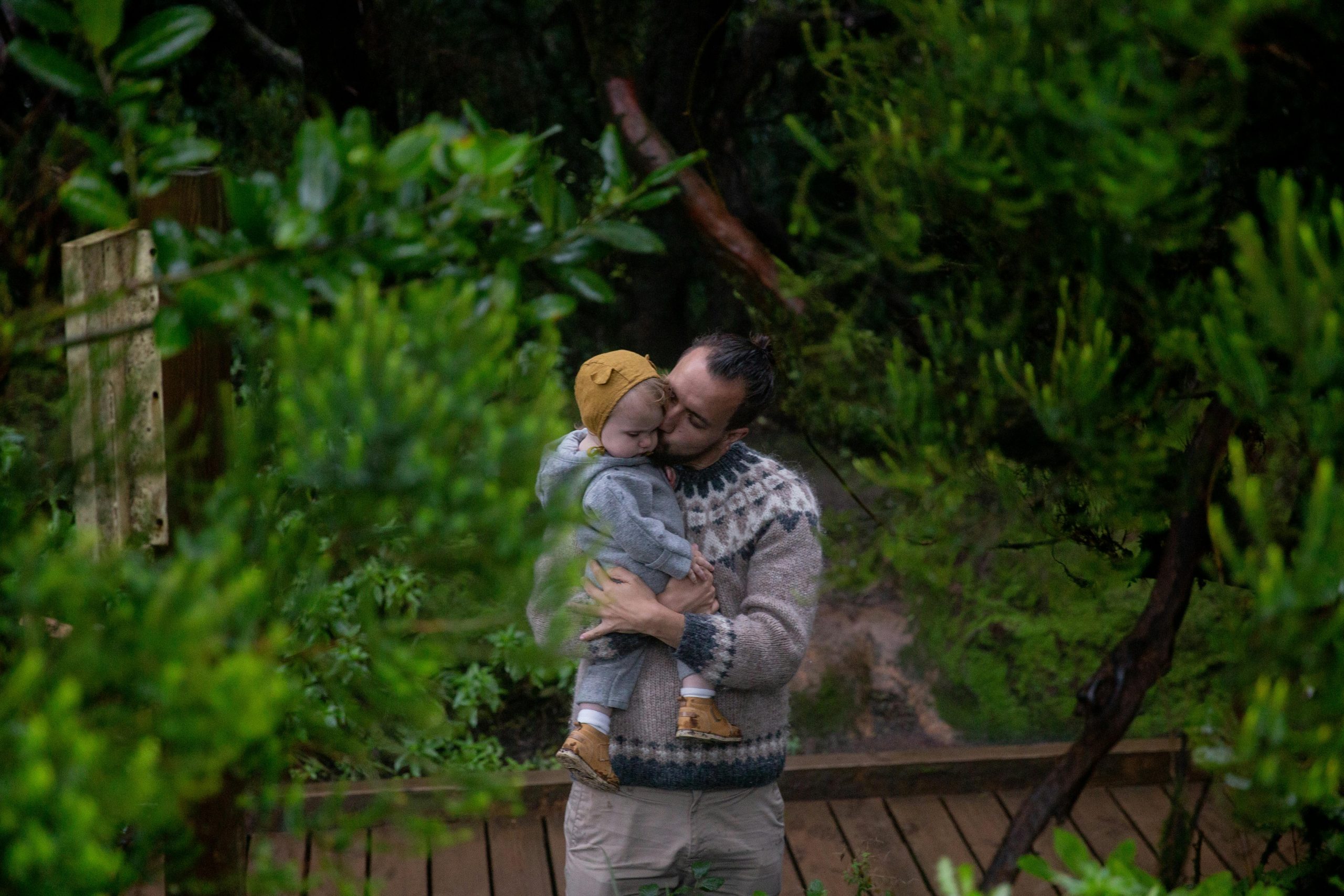


When I sit with military families from Petawawa or Ottawa, I’m always struck by how much strength, resilience, and adaptability they already carry. Military life shapes families in unique ways — constant transitions, long stretches of uncertainty, rapid relocations, irregular schedules, sudden deployments, and the emotional weight of service. These realities blend with the pressures of separation, creating a level of complexity that can feel incredibly heavy without the right support.
But what I’ve learned over years of supporting military families is this:
mediation doesn’t just “work” for military families — it fits their lives in a deeply meaningful way.
It offers structure without rigidity, stability without punishment, flexibility without chaos, and emotional grounding during times that feel unpredictable.
Families in Petawawa and Ottawa tell me over and over that mediation helped them navigate their separation in a way that felt respectful, realistic, and supportive of their children’s long-term wellbeing. And at the heart of that success is the way mediation aligns with the rhythms, challenges, and demands of military life.
Military Life Is Built on Transition — Mediation Helps Bring Stability Back Into the Process
One of the biggest stressors military families face during separation is constant change. Service members may be posted unexpectedly. Schedules shift rapidly. Deployments arrive with little warning. Families in Petawawa and Ottawa are often juggling school transitions, community changes, and household responsibilities on top of the emotional weight of separation.
Court processes do not adapt well to this level of change.
They are rigid, slow, expensive, and often out of sync with the urgent needs of military life.
Mediation, on the other hand, is built around:
- adaptability
- responsiveness
- understanding of transitions
- child-centered flexibility
- efficient timelines
- emotional grounding during uncertain moments
The military lifestyle already demands resilience.
Mediation adds stability where life is otherwise unpredictable.
Why Flexibility Matters So Much for Military Families — and Why Mediation Supports It
Military families know better than anyone that flexibility is not optional — it’s built into the lifestyle. Parenting schedules must account for:
- shift rotations
- unpredictable hours
- deployments
- training periods
- travel
- sudden geographic changes
A courtroom schedule cannot accommodate this.
But mediation can.
When I work with military families, we design parenting plans that reflect real-life military rhythms. We build in flexible structures that protect the children’s routine without breaking the parent-child bond during deployments or postings. We talk through what happens when leave gets canceled, what support systems are available during long absences, and how to preserve connection across distance.
Mediation creates parenting plans that breathe — plans that support stability and adaptability.
Mediation Helps Both Parents Stay on the High Road During an Emotionally Complex Transition
Military families often carry emotional layers that civilian families don’t always understand. Things like:
- long separations during service
- the emotional intensity of deployments
- the strain of constant relocation
- the pressure of reintegration after time apart
- the weight of responsibility that service brings
When separation happens, these layered experiences can amplify emotions.
Miscommunication becomes easier.
Small conflicts become bigger.
Old wounds resurface quickly.
Fear and uncertainty take over.
In mediation, my role is to help parents return to their best self — the grounded, honourable, steady version of themselves they want their children to remember.
I help couples communicate with:
- clarity
- respect
- emotional regulation
- maturity
- compassion
- a shared commitment to the child’s wellbeing
This is the high-road approach military families need and deserve.
Why Mediation Protects Children During a Time of Intense Change
Children in military families already experience more transitions than the average child. Moves, new communities, different schools, changing support systems — these shifts require emotional resilience. When separation is added into the mix, children can easily feel overwhelmed or destabilized.
Mediation allows parents to build a child-centered plan that focuses on:
- consistency during big transitions
- predictable communication with both parents
- sensitivity to emotional needs
- clear routines that reduce anxiety
- strong co-parenting cooperation
- shielding the child from conflict
- protecting the child’s sense of belonging during moves or postings
In both Ottawa and Petawawa, parents tell me that the child-centered focus in mediation helped them remain united in their parenting even as the family structure changed.
A stable emotional climate is one of the greatest gifts a child can receive when their family is going through separation — and mediation supports that stability every step of the way.
Understanding the Pressure of Service — and Why Military Members Need a Safe Space to Communicate
Service members often walk into mediation carrying pressure that isn’t always visible.
They have spent years (or decades) learning how to remain composed, controlled, and mission-focused. That training is honorable — but during separation, it can sometimes make it harder for them to express emotions, needs, or vulnerabilities.
I create a safe space where both partners can communicate honestly — not from roles or duty, but as humans, parents, and individuals.
This emotional grounding helps service members open up, reflect, and collaborate without feeling overwhelmed or defensive.
Military members deserve a space where they can feel heard without feeling judged.
And mediation provides exactly that.
Why Mediation Supports Long-Distance Co-Parenting Better Than Court
Military families often face physical distance:
- one parent posted elsewhere
- one parent still living near the base
- long-term deployments
- necessary relocations for career progression
Court systems are not designed to handle long-distance co-parenting effectively.
But mediation is.
When parents are navigating distance, we talk through:
- virtual routines
- meaningful long-distance communication
- emotional connection during separation
- extended parenting time during leave
- expectations during deployments
- relocation planning
- school transitions
- travel arrangements
I help parents build plans that maintain the emotional bond between the child and both parents — even when geographic distance is unavoidable.
Mediation Also Protects the Privacy Military Families Value Deeply
In smaller military-connected communities like Petawawa, privacy matters.
People don’t want their personal life becoming public.
They don’t want conflict to ripple into their extended unit, workplace, or community life.
Court is public, adversarial, and often emotionally exposing.
Mediation is confidential, calm, and grounded.
Military families consistently tell me they appreciate the dignity and privacy mediation offers — especially in environments where reputation, trust, and respect matter so deeply.
A Peaceful Resolution Strengthens the Entire Family’s Wellbeing — During and After Service
When separation is handled respectfully, children feel more secure.
Parents communicate more effectively.
Schedules run more smoothly.
Stress decreases.
And everyone adjusts more easily to the next chapter.
This matters deeply for military families who are already carrying so much.
A peaceful separation supports:
- mental health
- emotional wellness
- stability during postings
- stronger co-parenting
- healthier relationships with extended family
- reduced conflict long-term
Families in Petawawa and Ottawa deserve a process that supports their resilience — not one that adds unnecessary strain.
Why Mediation Is the Approach I Recommend Most for Military Families
Mediation works exceptionally well for military families because it:
- adapts to unpredictable schedules
- protects privacy
- reduces conflict
- centers the child
- supports long-distance co-parenting
- respects the emotional impact of service
- encourages the high-road mindset
- reduces financial strain
- preserves dignity
- strengthens long-term cooperation
The military lifestyle already requires courage, adaptability, and strength — mediation simply aligns with those qualities. It creates a path through separation that supports parents, protects children, and respects the realities of military life.
And that’s why I fully believe mediation is not just an option for military families — it is often the best option.